

The Episcia Plant: A Velvet Gem for Your Plant Room
If you love plants with dramatic foliage, soft textures, and unexpected blooms, Episcia might just become your next favorite. Often called the “Flame Violet,” this tropical beauty is closely related to African violets but has its own unique personality. With shimmering leaves, trailing runners, and bright flowers, Episcia plants can transform a shelf or plant cabinet into a lush display.
Whether you’re new to Episcia or thinking about adding one to your collection, here’s everything you need to know about caring for these eye-catching plants.
What Is an Episcia?

Episcia is a genus of tropical plants native to Central and South America. They belong to the same plant family as African violets (Gesneriaceae), which explains their similar flowers. But unlike African violets, Episcia plants are typically trailing or spreading, making them perfect for hanging baskets, plant shelves, or terrariums.
What really makes them stand out is their foliage. Many varieties have metallic, quilted, or velvety leaves in shades of bronze, green, pink, silver, and chocolate.
Common species grown as houseplants include Episcia cupreata and its many stunning hybrids.
Episcia Plant Care Guide
Light
Episcia plants prefer bright, indirect light.
Too much direct sun can scorch their velvety leaves, while too little light can reduce flowering and slow growth.
Best locations:
-
Near an east-facing window
-
A few feet back from a south or west window
-
Under grow lights
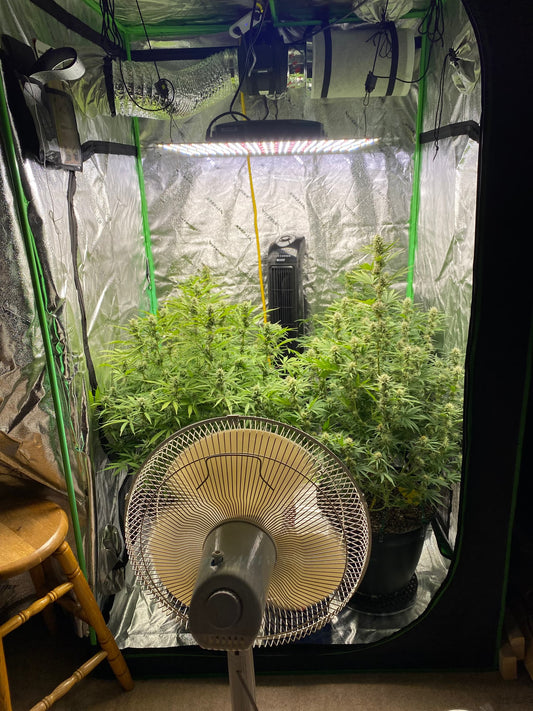
Many collectors actually grow Episcia successfully in plant cabinets or terrariums because they thrive in controlled environments.
Water
Episcia like their soil consistently moist but not soggy.
Tips for watering:
-
Water when the top inch of soil begins to dry
-
Avoid letting the plant sit in water
-
Try not to splash water on the leaves
Because their leaves are fuzzy, lingering moisture can sometimes cause spotting.
Humidity
These tropical plants love humidity.
Ideal humidity levels are 50–70% or higher.
Ways to increase humidity:
-
Use a humidifier
-
Group plants together
-
Grow them in a cabinet or terrarium
Low humidity can cause leaf edges to brown or slow growth.
Temperature
Episcia plants prefer warm indoor temperatures.
Ideal range:
65–80°F (18–27°C)
They dislike cold drafts and temperatures below about 60°F.
Soil
Use a light, airy soil mix that drains well.
A good Episcia mix might include:
-
African violet soil mix
-
Perlite
-
Coco coir or peat
-
A small amount of orchid bark
Good drainage is important because Episcia roots are delicate and can rot in heavy soil.
Fertilizer
Feed Episcia lightly during the growing season.
A good routine is:
-
Balanced liquid fertilizer
-
Diluted to ½ strength
-
Every 2–4 weeks during spring and summer
Reduce feeding during winter when growth slows.
Propagation
One of the most fun things about Episcia is how easy they are to propagate.
They send out runners (stolons) similar to strawberry plants.
Propagation methods:
-
Root the baby plantlets directly in soil
-
Place runners on moist soil until they root
-
Water propagation of plantlets
Before long, you can have multiple new plants from a single parent.
Pros of Growing Episcia
✔ Beautiful foliage – The leaves alone are show-stoppers.
✔ Colorful flowers – Bright red, orange, pink, or yellow blooms.
✔ Compact size – Great for small spaces, shelves, or plant cabinets.
✔ Easy propagation – Runners make new plants quickly.
✔ Great for terrariums – They thrive in high humidity.
For collectors, Episcia can become a rabbit hole of varieties because each cultivar has different leaf colors and patterns.
Cons of Growing Episcia
⚠ Sensitive to low humidity – Dry air can cause issues.
⚠ Leaves can damage easily – The soft, velvety texture bruises if handled roughly.
⚠ Can be prone to root rot if overwatered.
⚠ May require grow lights in darker homes.
They’re not the most difficult plants, but they do best when conditions are consistent.
Fun Facts About Episcia
🌿 They shimmer.
Some Episcia leaves have microscopic structures that reflect light, giving them a metallic or glowing appearance.
🌿 They spread like strawberries.
Their runners grow outward and produce baby plants at the ends.
🌿 They’re African violet relatives.
Both plants belong to the Gesneriad family and share similar flowers.
🌿 They were collector plants long before social media.
Episcia hybrids have been bred since the 1800s, making them long-time favorites among plant enthusiasts.
🌿 They bloom more than people expect.
With good light, Episcia can flower almost continuously.
Is Episcia Right for Your Plant Room?
If your plant room already includes African violets, begonias, or terrarium plants, Episcia will likely fit right in.
They reward growers with lush foliage, easy propagation, and colorful flowers, making them both beautiful and fun to grow.
And once you start collecting different varieties, you may discover that one Episcia quickly turns into several.